

Introduction
In-vitro fertilization (IVF) can be a physically and emotionally demanding journey. Many couples explore complementary therapies to increase their chances of success—and acupuncture is one of the most popular options. But how exactly does acupuncture help with IVF, and what should you know before trying it?
What Is Acupuncture?
Acupuncture is an ancient Chinese medical practice that involves inserting very fine needles into specific points on the body. The goal is to balance the flow of energy, or “Qi,” and stimulate the body’s natural healing processes. Today, acupuncture is widely recognized for its role in pain relief, stress reduction, and overall well-being.
How Acupuncture May Support IVF
While research on acupuncture and IVF is still ongoing, many fertility specialists acknowledge its potential benefits when used alongside conventional treatment. Here’s how it may help:
- Improves Blood Flow to the Uterus and Ovaries
Enhanced circulation may improve the quality of eggs and create a more receptive uterine lining for embryo implantation. - Reduces Stress and Anxiety
IVF can be stressful. Acupuncture helps calm the nervous system, reducing stress hormones that can interfere with fertility hormones. - Supports Hormonal Balance
By influencing the endocrine system, acupuncture may help regulate hormones crucial for ovulation and implantation. - Enhances IVF Outcomes
Some studies suggest that acupuncture before and after embryo transfer can slightly increase the chances of successful implantation.
When to Start Acupuncture During IVF
Many practitioners recommend starting acupuncture about 3 months before your IVF cycle to prepare your body. However, even beginning treatment during the stimulation or transfer phase can still be beneficial. The most common sessions include:
- Before egg retrieval
- Before and after embryo transfer
- Post-transfer sessions to support implantation
What to Expect During a Session
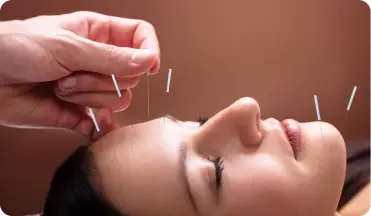
A typical acupuncture session lasts 30–60 minutes. You’ll lie comfortably as the practitioner inserts fine, sterile needles into specific points—usually on your abdomen, lower legs, or ears. The process is generally painless and deeply relaxing.
Are There Any Risks?
Acupuncture is considered safe when performed by a licensed practitioner. Minor side effects such as slight bruising or fatigue can occur, but serious complications are rare. Always choose a qualified professional experienced in fertility acupuncture.
Combining Acupuncture with Medical Treatment
It’s important to view acupuncture as a complementary therapy, not a replacement for medical fertility treatment. Discuss your plan with your fertility specialist to ensure both treatments align.
Final Thoughts
Acupuncture offers a gentle, holistic approach to support your IVF journey—helping you relax, balance your hormones, and potentially improve your success rate. While it’s not a guaranteed solution, many couples find it a valuable addition to their fertility plan.